

A Women’s Resilience
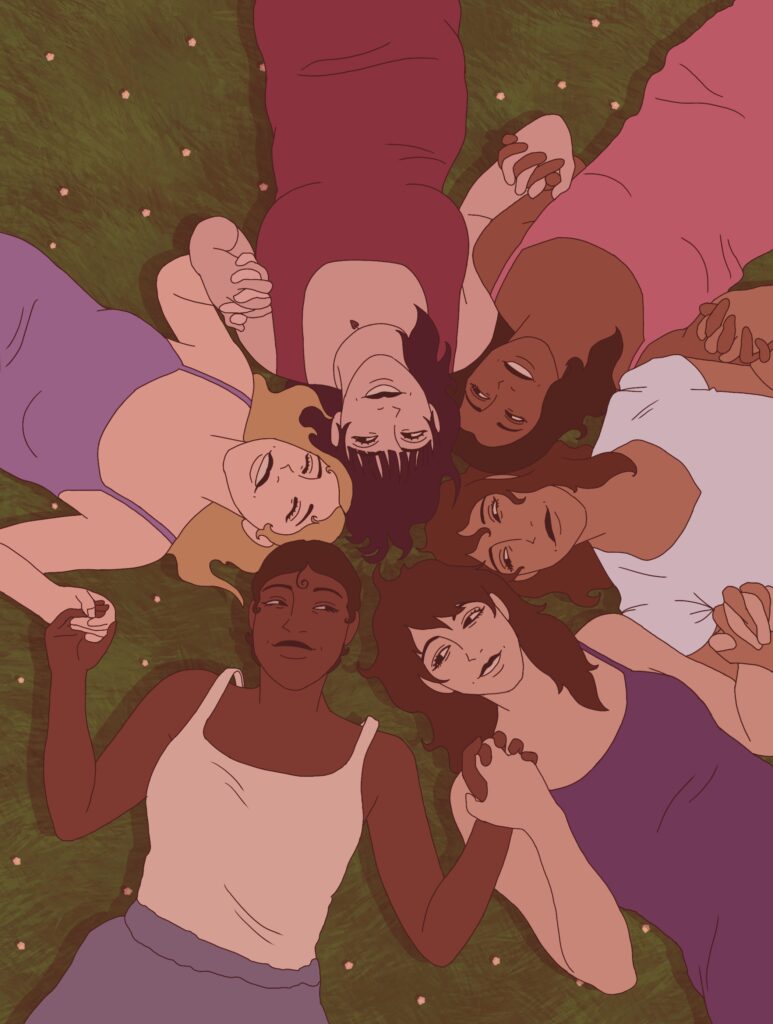
March may not only be the month to celebrate women, but can also be a time to understand their struggles and success of living under a patriarchal society.
Throughout history, the public has seen, read and experienced the hardships and accomplishments of being a woman.
A military veteran and a UTRGV Mexican American professor shared her thoughts on working in a male dominated field.
Erika Rendon-Ramos, Mexican American studies assistant professor, said issues American women have historically always faced is being disenfranchised and not taken seriously for their brains and potential.
“I think women have come a long way, at every point in history there’s been influential women who have shattered those glass ceilings and made way for all women that came afterwards,” Rendon-Ramos said.
She added professional women have broken barriers, but their paths have been difficult to say the least.
“Women in male dominated environments have to prove themselves so much, it’s exhausting,” military veteran Tracey Lopez said.
Instead of getting a warm welcome from another female soldier when she first started, Lopez said she got a warning to watch out for a person in the unit.
“It hurt because I joined for my future, to serve and have better opportunities; and what I saw popped this bubble of what I thought was my dream,” she said.
Lopez added she would receive comments from male soldiers that made her feel small. For instance, there was an event taking place where they all had to do vaccinations. Since she had no experience she asked for guidance from a male. In turn he told her “oh, you’re better at doing administration.”
“I didn’t realize what was happening until more comments followed, I thought it was because of me, not because I was a woman,” she said.
Rendon-Ramos explains how the patriarchy limits boys and girls and it puts people in boxes when there isn’t a need for them.
She added that what is still persistent today for women is gender norms and breaking barriers. She has students that have resistance from their own parents for pursuing an education because they still believe women should take priority in family first.
“Women have it both ways because they have tension from their own culture to fight and having to also fight against stereotypes nationwide,” Rendon-Ramos said.
Lopez said that being a Hispanic woman put her in the bottom of the minority, so it was more of a struggle to gain respect.
“I found myself a lot of times trying to find allies, trying to find a safe space and it was really hard, that’s where it came in tune to me advocating for myself,” she said.
Lopez said it was a rarity to find another female soldier, so if there was one she felt the need to protect them because the environment was so different being in a male space.
“I feel like women have to prove their competence much quicker and be quick about it in order to follow through with some respect,” Lopez said.
Professor Ramos and Lopez both agreed a trait that women have is being resilient.
“Traits seen throughout history of women having to be fighters and advocates because of the marginalization that has existed and despite the challenges coming from different paths, women continue to be resilient and prove time and again how capable they are,” Rendon-Ramos said.
Lopez said living in a patriarchal society, women are fortitude, which is being brave even when scared.
“Women have the strongest trait which is our empathy, which makes strength grow in dark spaces and helps progress in so many ways,” Lopez said.