
Texas’ Democratic history
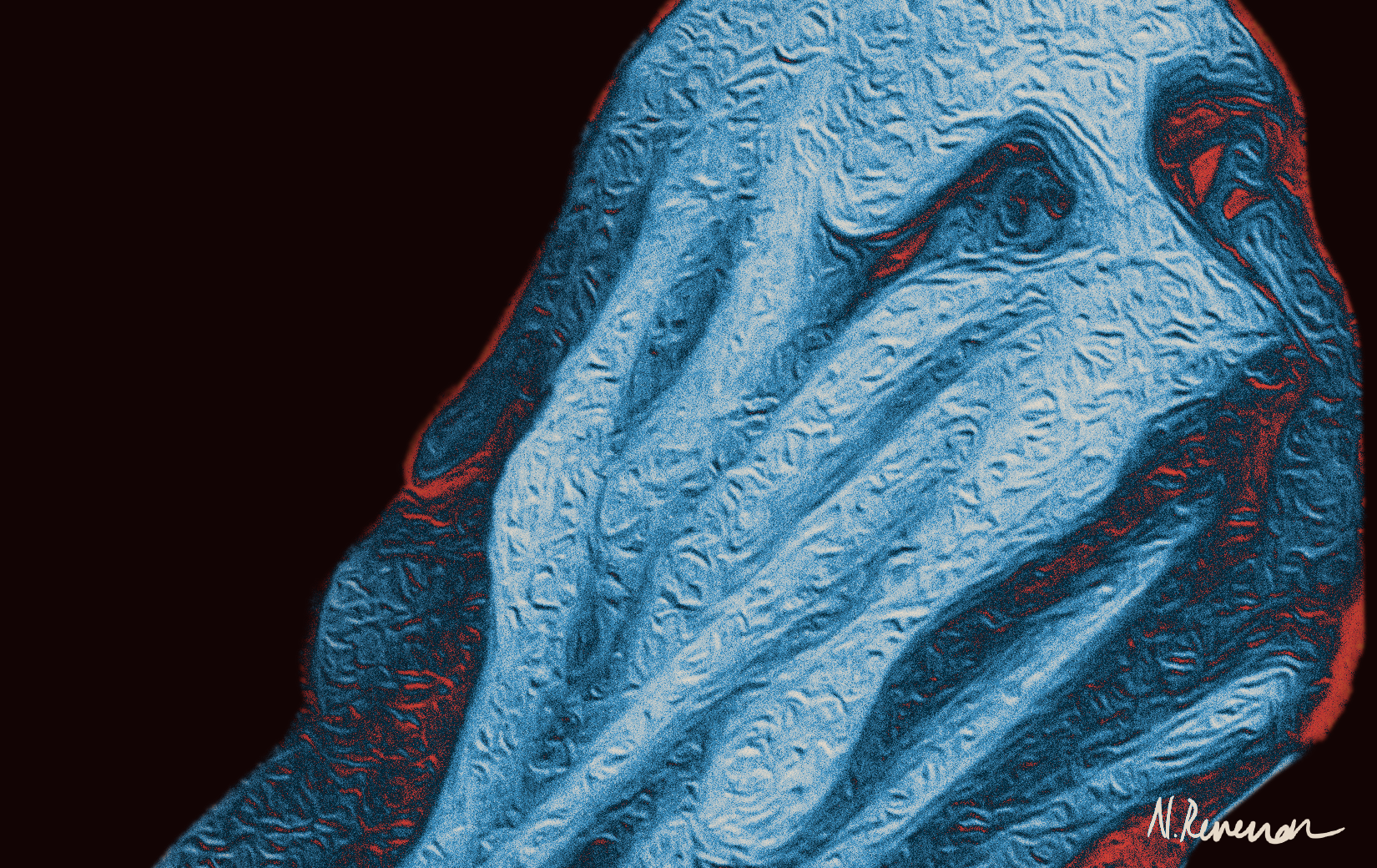
Graphic by Nemo Reveron | Pulse Magazine
After the 2026 midterm election, a University of Texas Rio Grande Valley (UTRGV) political science professor discusses Texas’ political history and what has changed throughout past elections.
According to political science Professor Mark Kaswan, Texas was a democratic state for a long time, from the late 1800s well into 1900s, however, during this time, the democratic party wasn’t the party we know now.
During the 1800s and 1900s, Republicans aligned more with left-wing policies and the Democrats aligned more with conservative policies.
But after the Civil Rights Acts passed in the late 19th century, both parties realigned their policies and values.
To Kaswan, seeing Texas be dominated by democratic candidates was extraordinary.
“I can’t think of another state that has changed that much overnight,” Kaswan said. “One of the things that’s really, in some ways, remarkable about it is that the Democrats did not win by small margins, they won by big percentages.”
Kaswan is curious about how Democrats won the Texas House of Representatives but did not flip any seats in the State Senate.
“That’s something that in a way is going to affect what Democrats can actually accomplish,” he said.
According to him, the Rio Grande Valley (RGV) has been a democratic area for a long time and didn’t change with the party realignment.
“The democrats stayed powerful in the Valley, although what’s interesting is that they were relatively conservative Democrats,” Kaswan said. “That has started to change.”
Although the Valley is considered to be dominantly Democratic, that changed in the 2024 presidential election when all four counties in the RGV (Cameron, Hidalgo, Starr and Willacy) voted for President Donald Trump.
“If you looked further down the ballot below Donald Trump, pretty much all of the other people who won, with a couple exceptions were democrats,” he said. “People were talking about the Valley going red, and I was always pretty doubtful about that.”
He added Starr County had a strong voting percentage for Trump in the 2024 presidential election, making it the first time in 120 years that the Valley voted republican.
The professor explained one reason why it’s taken so long for Texas to have such a big shift is because of intensive gerrymandering, which is when territories are divided into election districts to give one political party an electoral majority in a large number of districts while concentrating the voting strength of the opposition in as few districts as possible. Texas is one of the most gerrymandered states in the country, so Republican dominance is engineered.
According to Kaswan, at the request of Trump, republicans did the gerrymandering this last year in an attempt to win five additional seats but lost four of those five, and democrats picked up two others.
Voters in the Valley are no different than voters in the rest of the country and most are upset about inflation, gas prices and the war in Iran. But specifically in the RGV, Kaswan believes the voters are most upset about immigration enforcement.
“I think that hit the Valley harder than much of the rest of the country … [civilians] believed Donald Trump when he said that they were just going to go after the worst of the worst,” he said. “And then what did you see? You saw people having their friends, their neighbors and their family members being taken away.”
Kaswan continued by saying he thinks people felt like the Republican Party was lying to them, they were being misled, and people started to see through it. They really felt like the Republican Party was not listening to them or having their interests in mind.
“You know, they’re hurting, they’re broke and concerned about their finances,” he said.
Kaswan said the basic issue is that the Republican Party lost the trust of the voters. That doesn’t mean that people are going to start voting democratic regularly, and it depends on what the democrats actually do.
Compared to other midterm elections, the voting turnout was high but not as high as the professor would have hoped.
He said the increase in voter turnout is because “people were pissed.” Kaswan added it’s rare to see an election where you can clearly see the mood of the voters.
“I think that the increase in turnout largely was driven by people’s dissatisfaction,” he said.
Kaswan said if Texas stays blue, then it would be almost impossible for a Republican to win the presidency.
“If you’ve got Texas, California, New York and Illinois, that right there is at least 30% of the electoral college … and that becomes a very, very difficult barrier for Republicans to overcome,” he said.
Kaswan discussed the midterm results and said instead of having an ally, Trump is now going to have an opponent.
“Gina Hinojosa will say that she wants to work with Donald Trump, she wants to help him address the problems that face the state … in some ways it’s up to Trump, whether he’s willing to work [with her], and Trump has shown himself to be very punitive when states don’t go his way,” he said.
Kaswan said he thinks the most significant thing about the elections is that people discover they have power. He thinks a reason people in the valley didn’t engage politically is because they feel like they are powerless and like nobody cares.
“Guess what? You got power, and you just need to use it,” Kaswan said.