

Moments you might miss
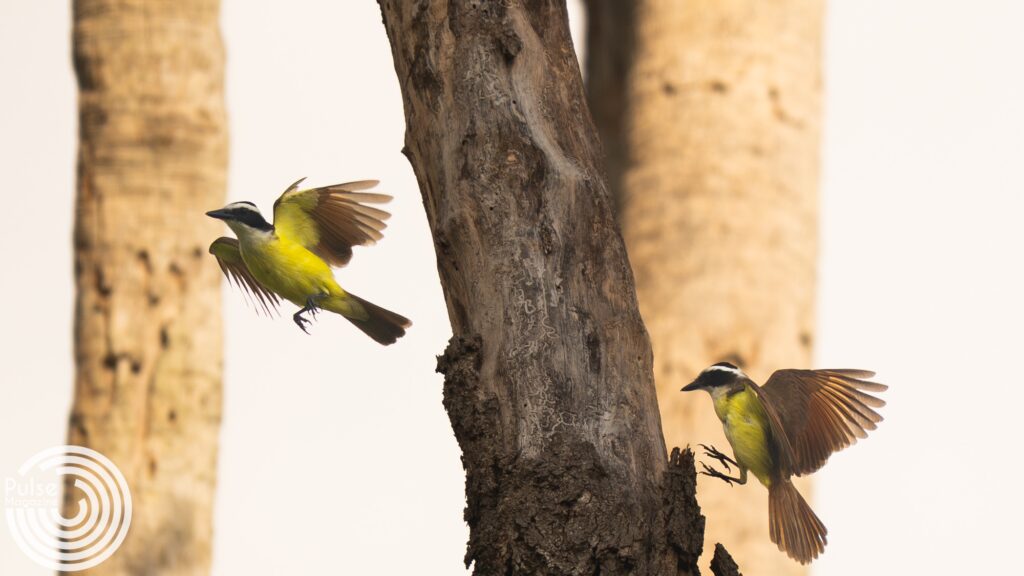
Sometimes we’re too busy in our own world that we forget we share the planet with many other creatures, but one of the most fascinating species of all are birds. According to Bird Life International there are over 11,000 different kinds of birds worldwide. I decided to slow down, listen to their songs and find them through trees round the Rio Grande Valley.
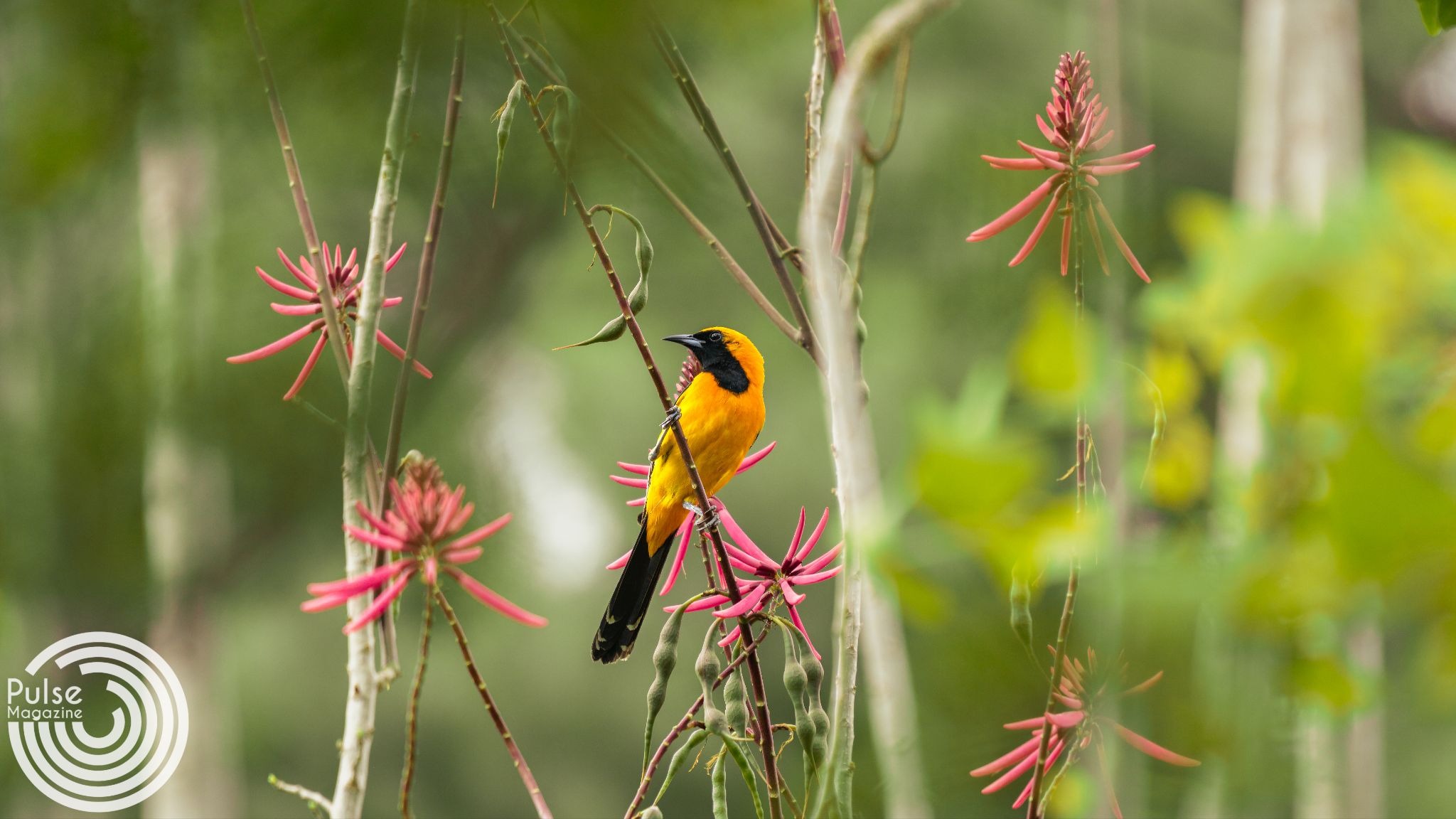
A hooded oriole bird is shown April 14 on the UTRGV Brownsville campus. Orioles have one of the most unique ways of making a nest by creating a nest suspended like a basketball net, according to the National Audubon Society. Eduardo Rodriguez/ Pulse
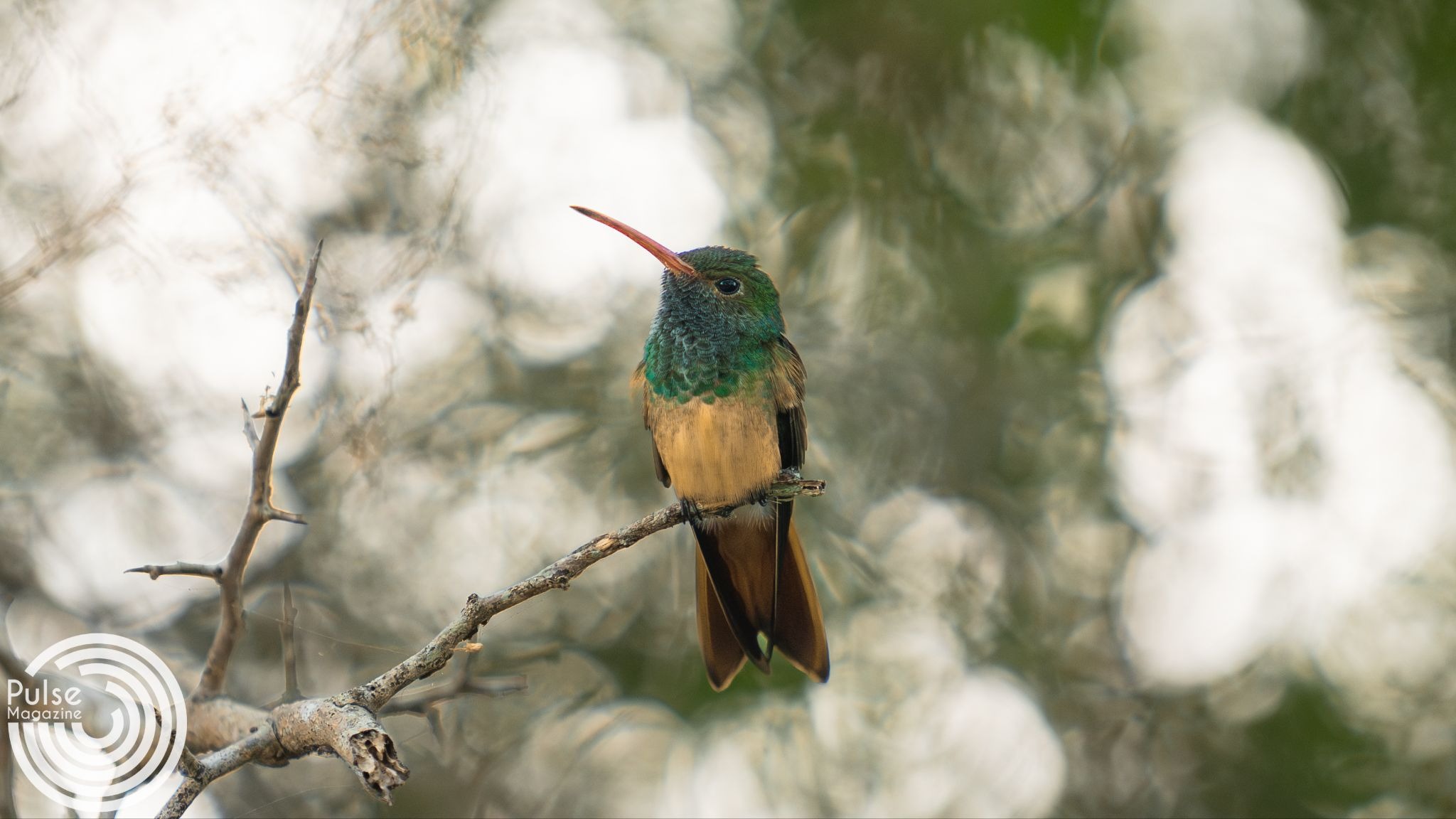
A buff-bellied hummingbird is shown April 15 on the UTRGV Brownsville Campus. The buff-bellied hummingbird is the only bird out of over a dozen hummingbird breeds in the U.S. to commonly nest in the southmost tip of Texas, According to the National Audubon Society. Hummingbirds are the only birds capable of straight up, sideways and hover. Most weigh less than a nickel. Eduardo Rodriguez/ Pulse.

A northern cardinal bird is shown April 23 at the Hugh Ramsey Nature Park in Harlingen. Being one of the most beloved songbirds of North America, the northern cardinal are hard to miss with their bright red plumage, according to the Cornell labs of ornithology northern cardinals are non migratory songbirds. Eduardo Rodriguez/Pulse
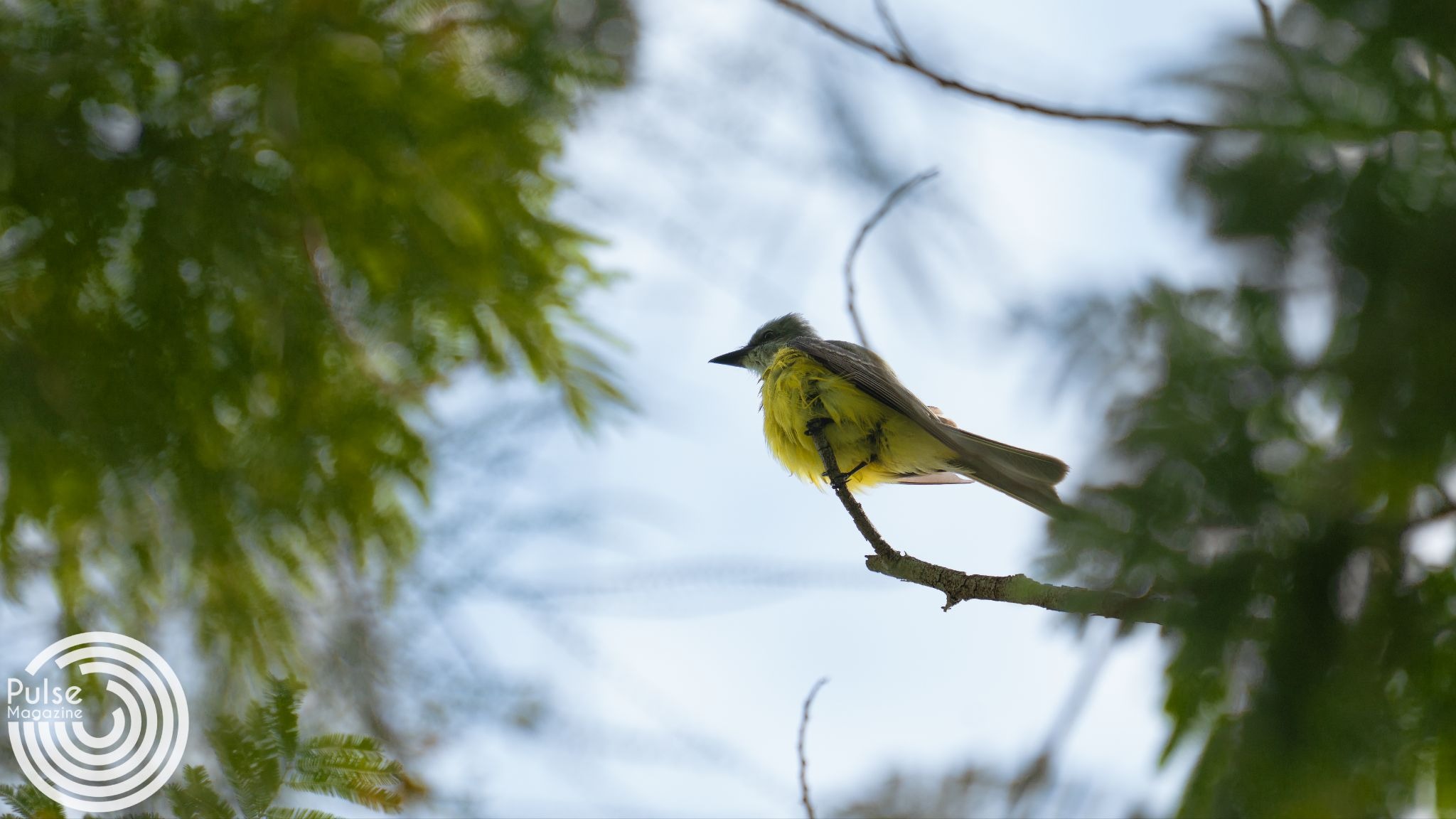
A couch’s kingbird is shown April 23 on the UTRGV Brownsville campus. While resembling the tropical king bird the couches kingbird has a slightly shorter bill and a greener upper chest, according to Cornell Labs of Ornithology. Eduardo Rodriguez/ Pulse
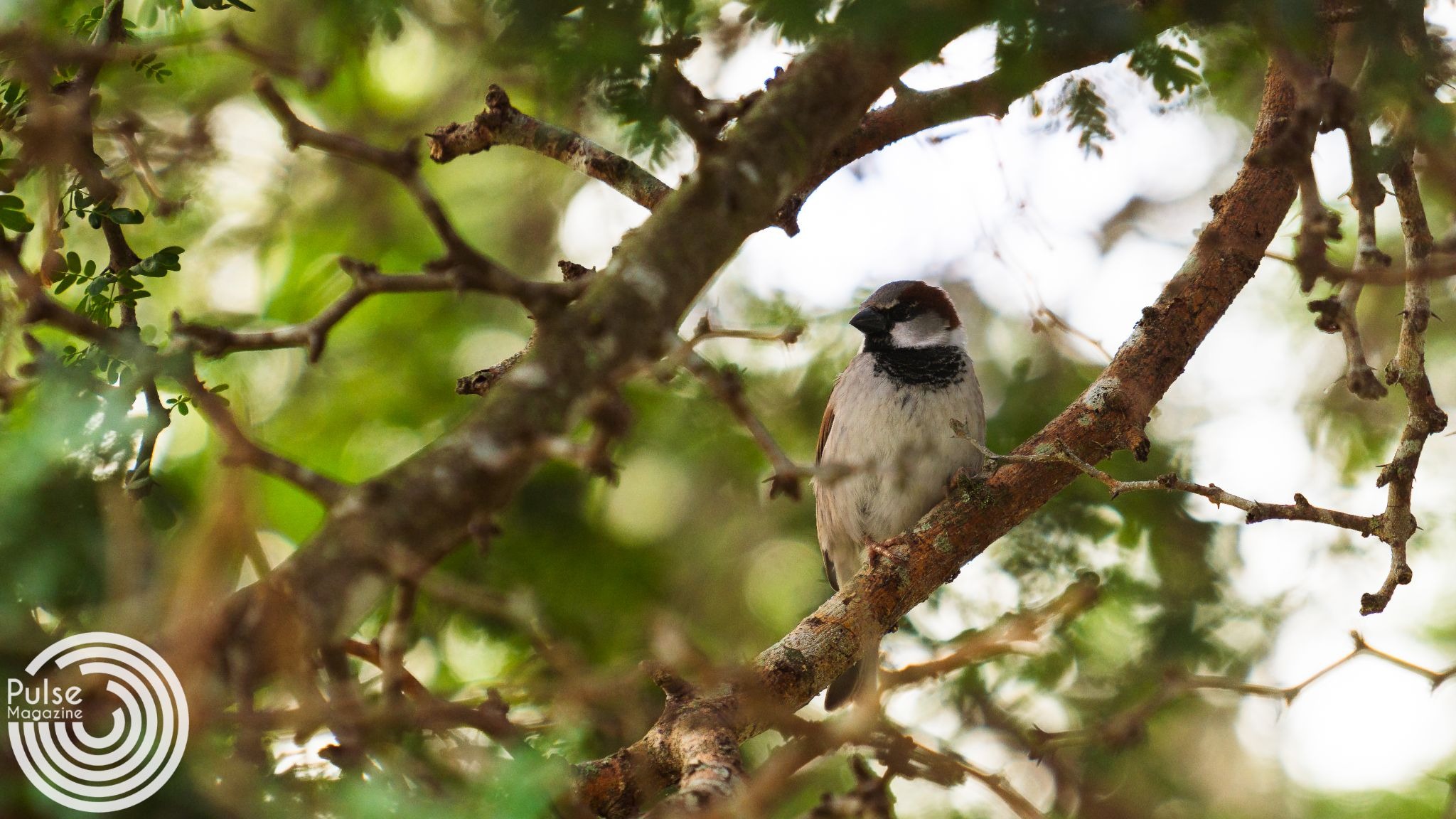
A house sparrow is shown April 11 in San Benito. One of the most common species of birds found amongst homes and other buildings, according to the Cornell Labs of Ornithology. House sparrows mate for life while traveling in colonies. Eduardo Rodriguez/ Pulse
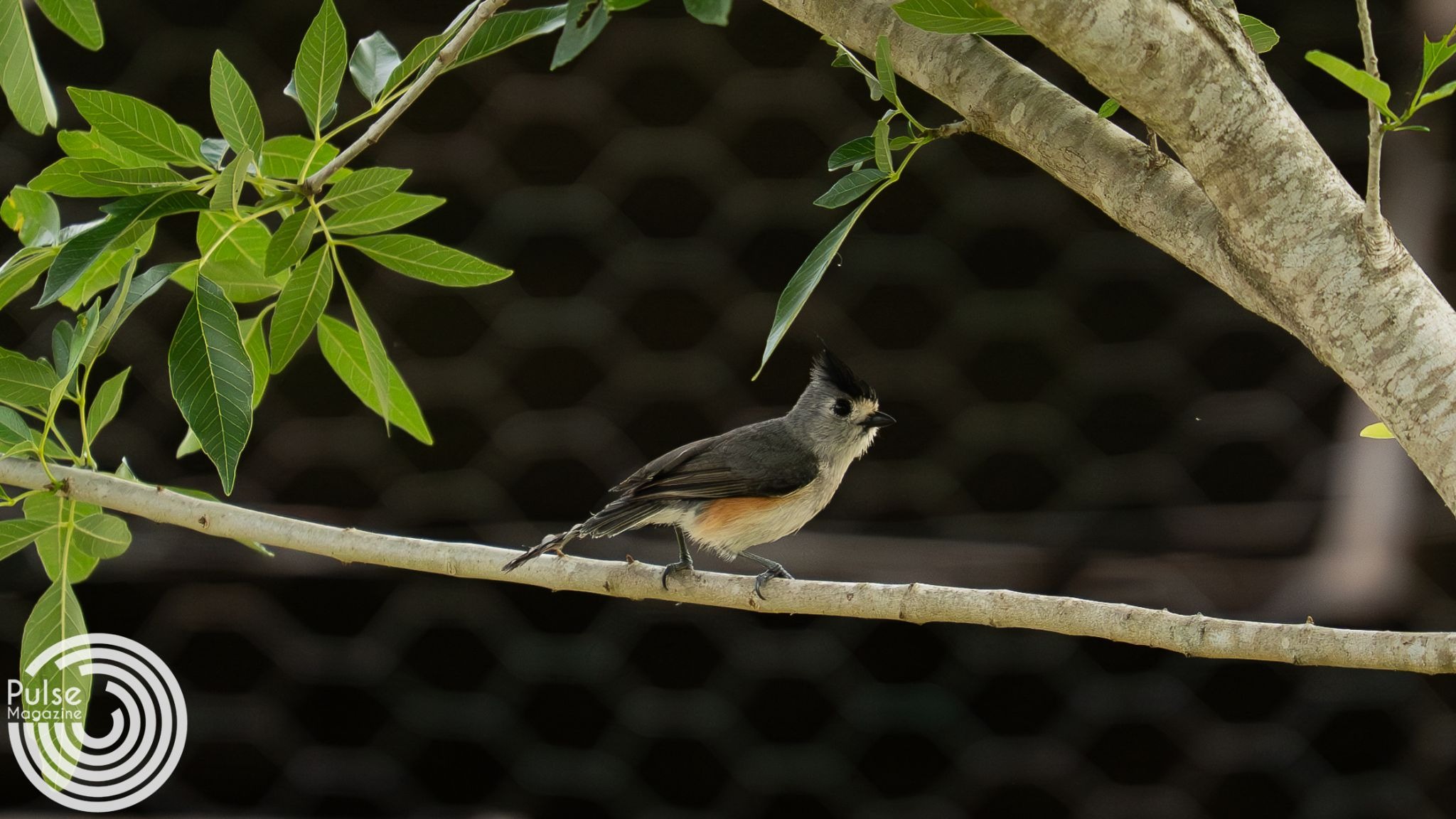
A black-crested titmouse is shown April 20 in San Benito. The black-crested titmouse is usually found in Central/South Texas, a close relative of the tufted titmouse, according to the National Audubon Society. Their diet consists of seeds, berries,nuts. Eduardo Rodriguez/ Pulse
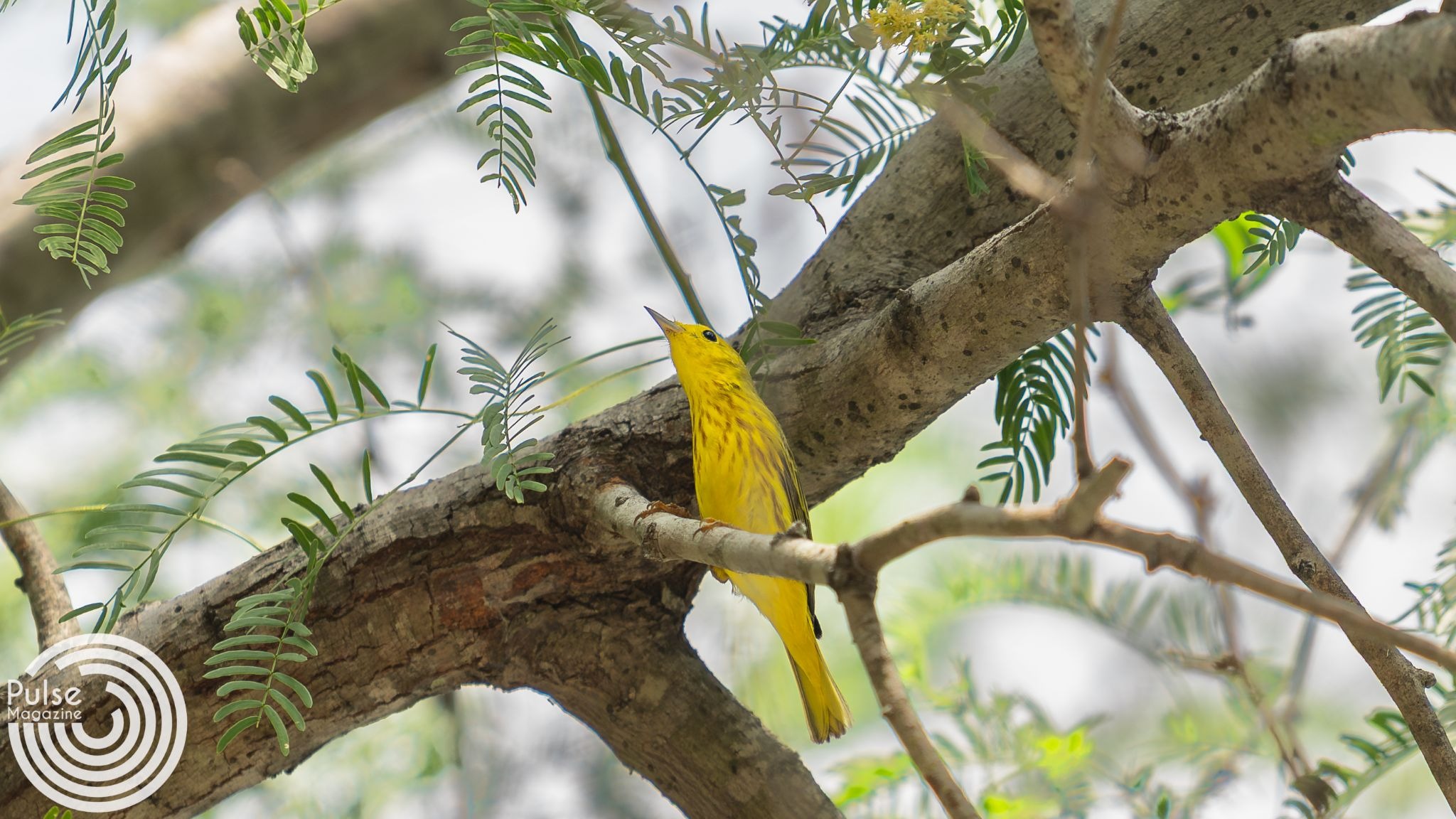
A northern yellow warbler is shown April 15 on the UTRGV Brownsville Campus. With over 50 different species of warblers the northern yellow warbler is one of few who are bright and easy to spot, according to Cornell Lab of Ornithology. Northern yellow warbler’s favorite food are insects. Eduardo Rodriguez/ Pulse
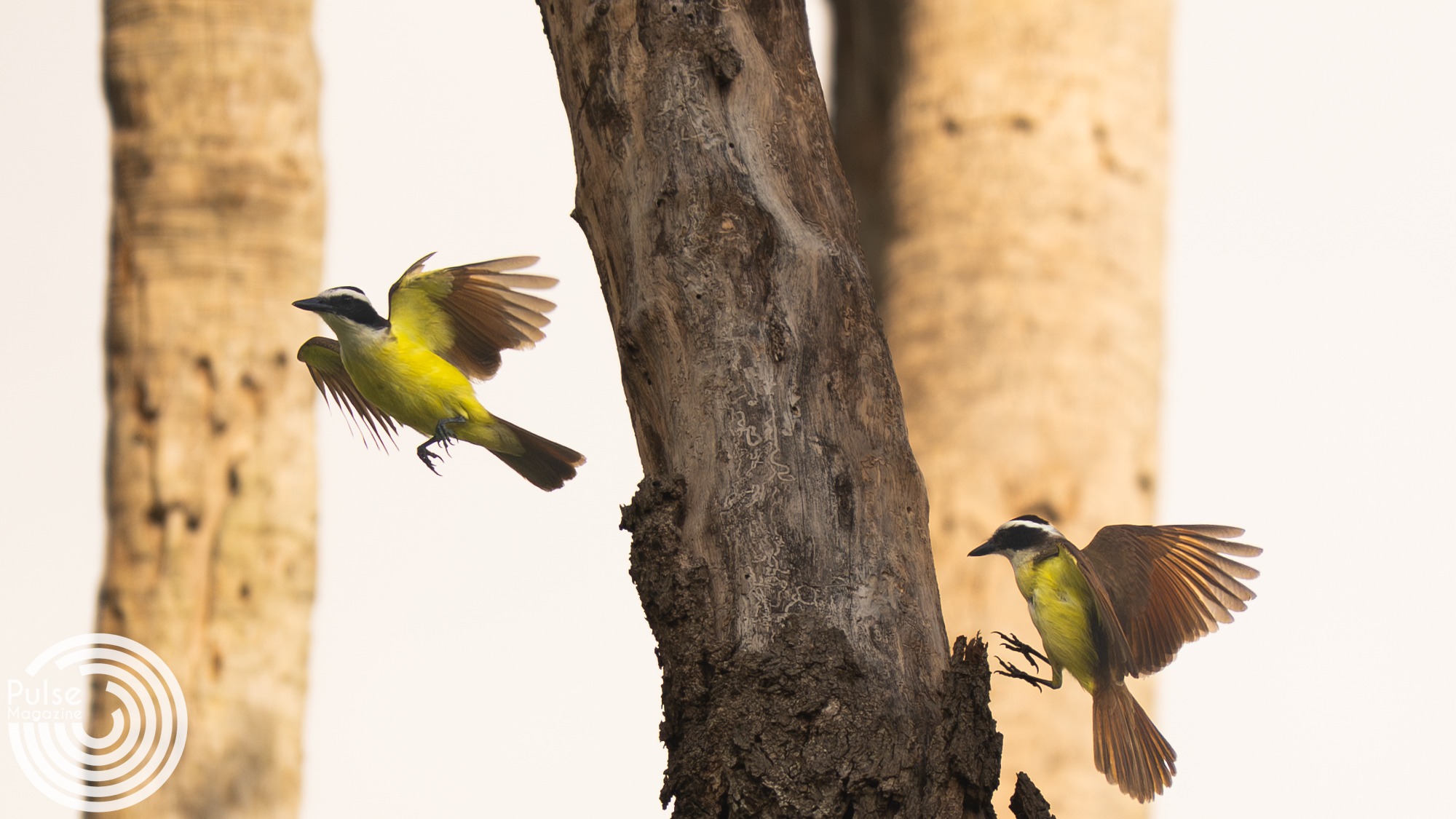
A great kiskadee is shown April 15 on the UTRGV Brownsville Campus. The Great Kiskadee is one of the most common residents in the Rio Grande Valley. Kiskadees have a distinct call typically sounding out their own name “kis-ka-dee”, according to the Cornell Labs of Ornithology. Eduardo Rodriguez/ Pulse
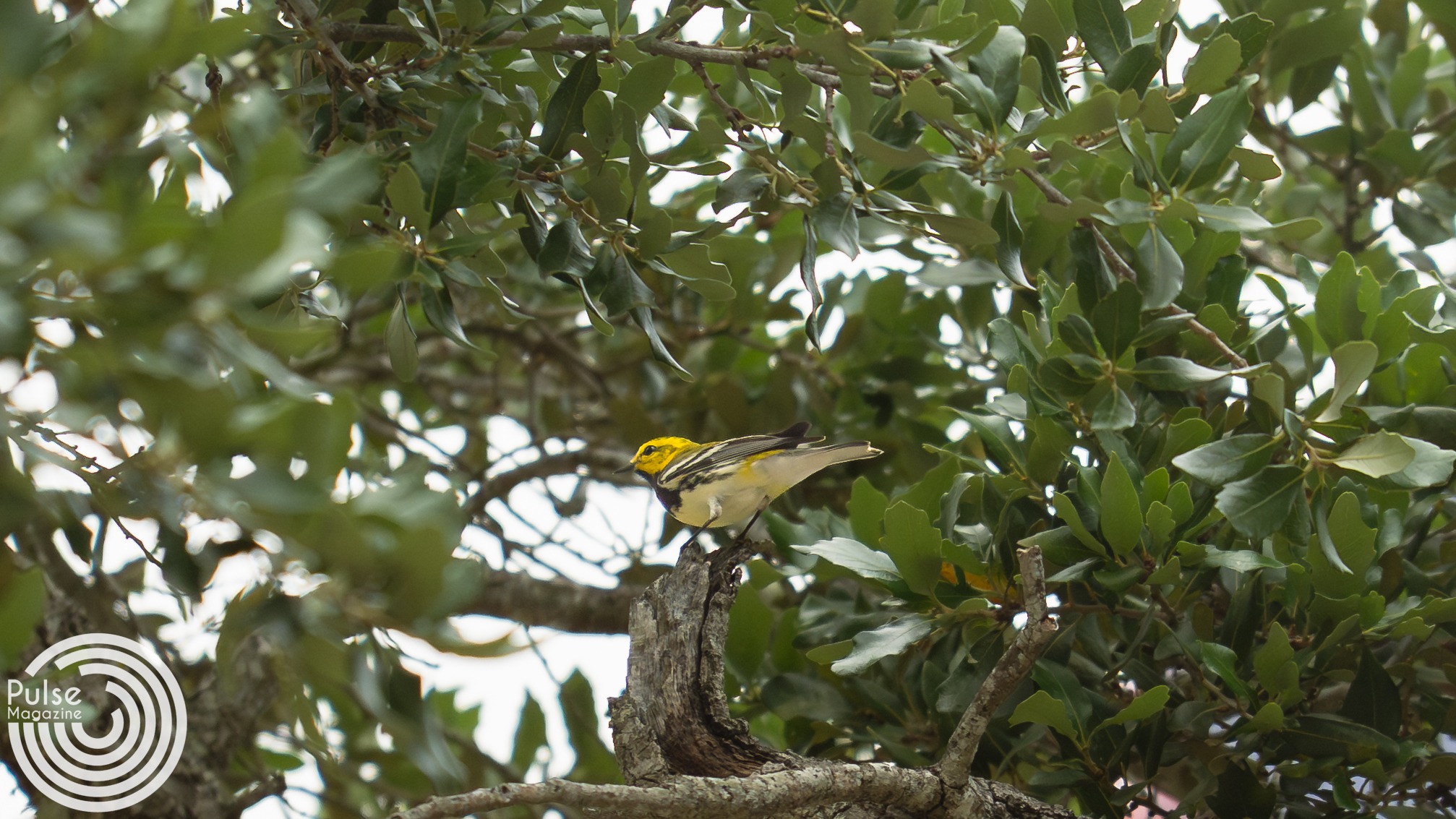
A black-throated green warbler is shown April 20 on the UTRGV Edinburg Campus. Usually only spotted in the Rio Grande valley during migratory times in the spring and fall. They can have many different songs but the most common are in a patterned singing “zee zee zee zoo zee.” Eduardo Rodriguez/ Pulse
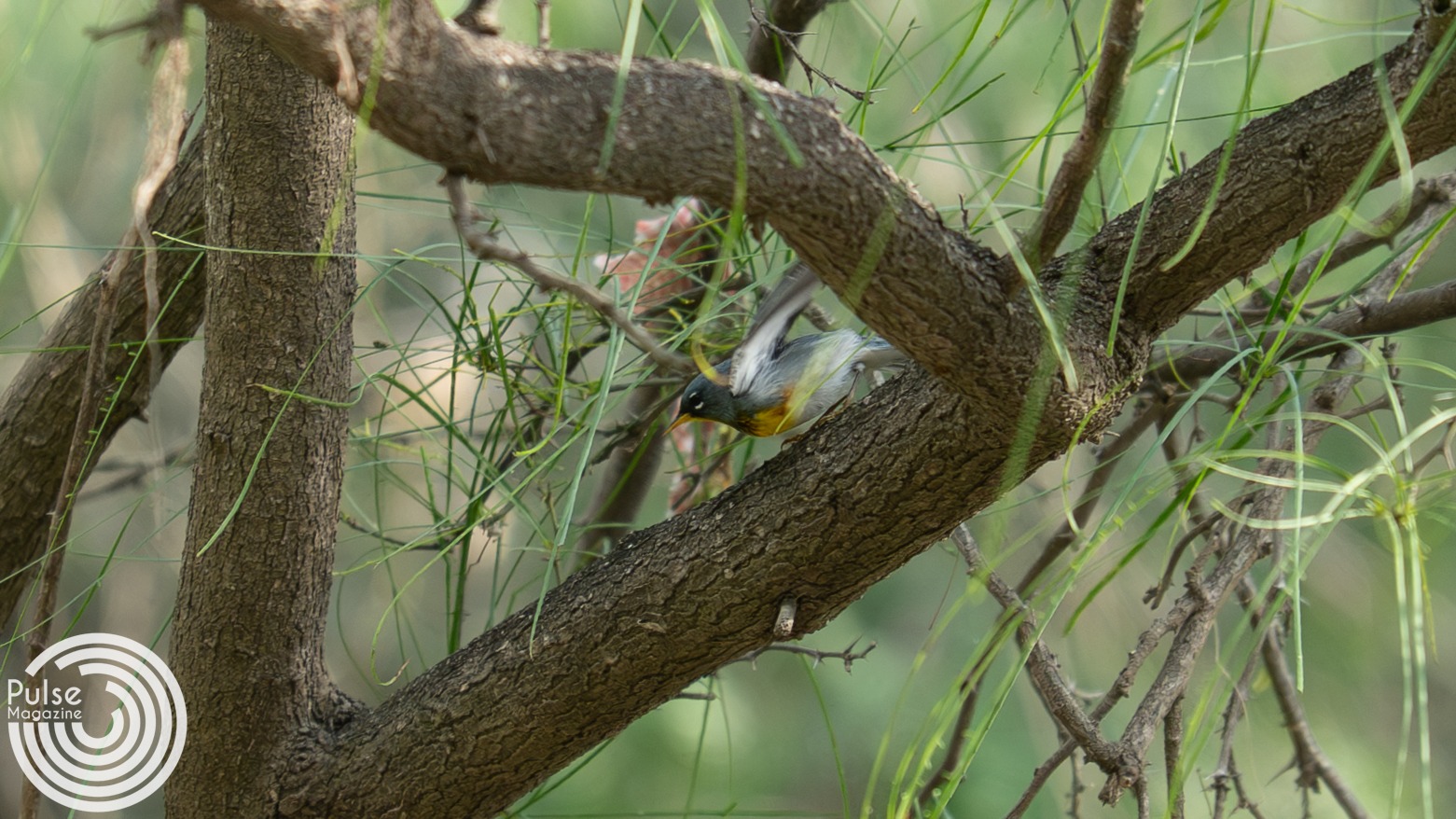
A northern parula is shown April 23 at Hugh Ramsey Nature Park in Harlingen. A small warbler that usually passes through the lower Rio Grande Valley during spring migration between February and May, according to Texas A&M AgriLife Research. Eduardo Rodriguez/Pulse.
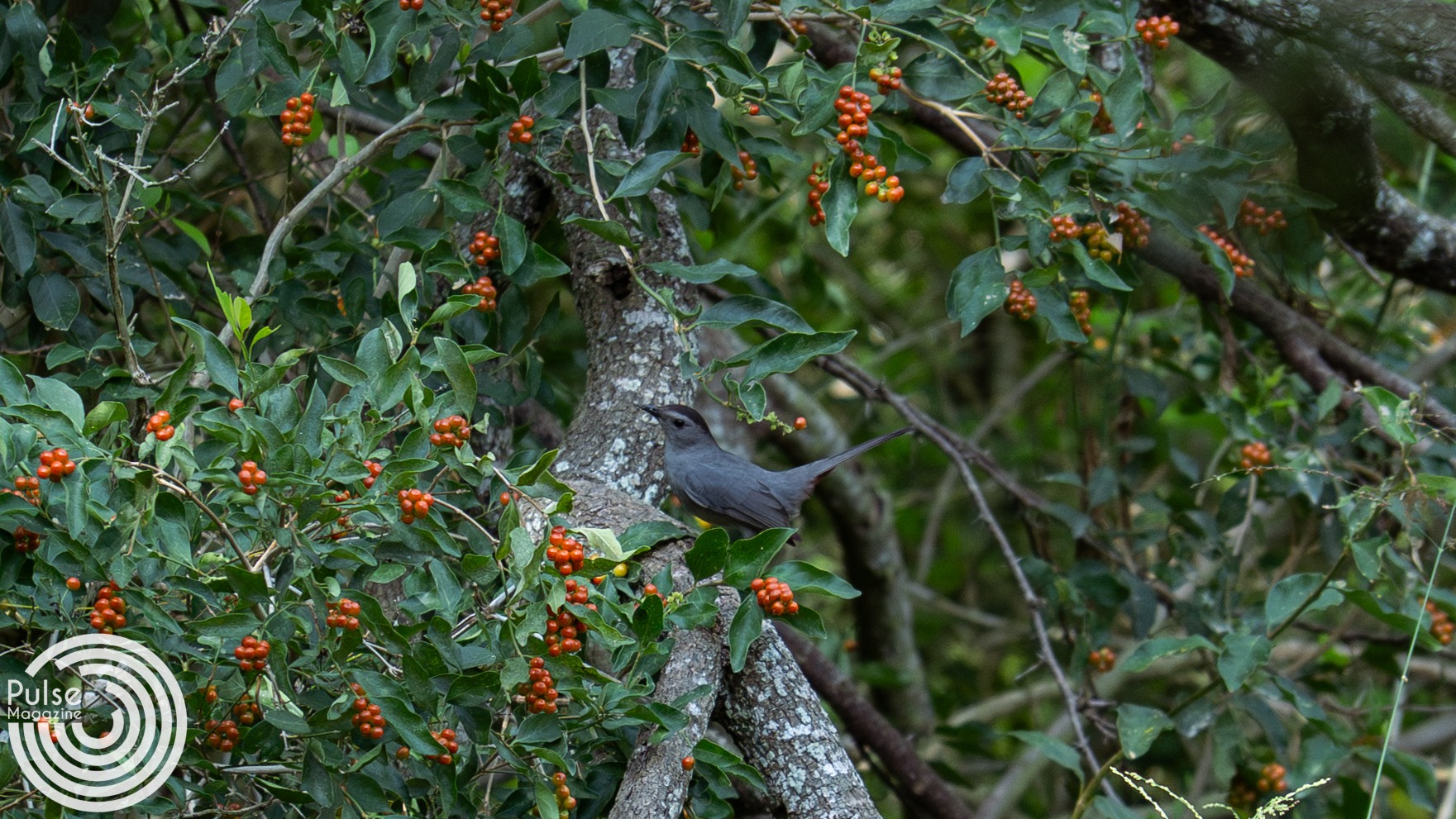
A grey catbird is shown April 23 at Hugh Ramsey Nature Park in Harlingen. If you are out birdwatching and think you heard a cat, you didn’t. It was the grey catbird, a relative of the mockingbirds. Their songs can last up to ten minutes, according to the Cornell Labs of Ornithology. Eduardo Rodriguez/Pulse